
TL;DR
Many businesses focus on rankings alone. But rankings don’t generate revenue – conversions do.
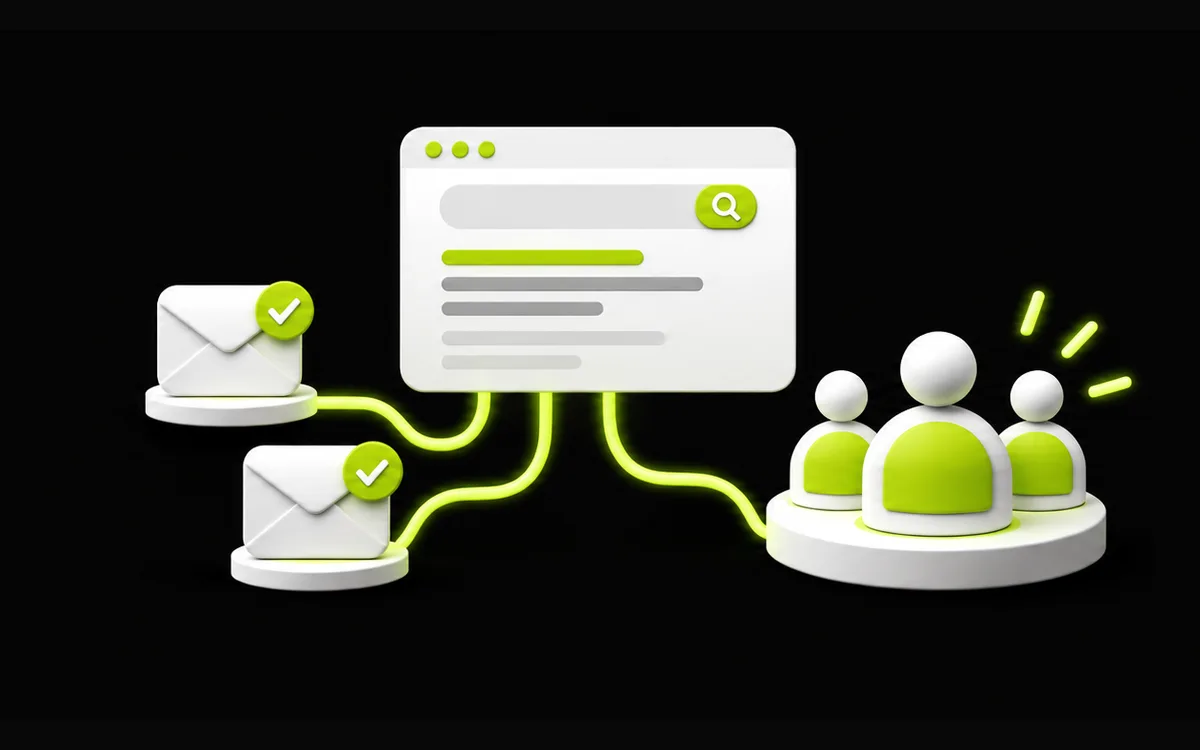
SEO connects your business with people already looking for your services. Once visitors arrive, your website must explain clearly, build trust and guide action.
That is why SEO is paired with professional web design. Good design removes friction and improves conversions.
Understanding intent matters. Some users research, some compare, others are ready to buy. Strong SEO supports all stages with blogs, service pages and calls to action.
Modern SEO measures enquiries, lead quality and behaviour – not just keyword positions.
SEO works best when supported by hosting, branding and design. Together these turn visibility into predictable growth.
When aligned with business goals, SEO becomes one of the most cost-effective growth channels available.
For Barnsley growth planning, compare service models on consultant vs agency and use professional services SEO if you need higher-intent lead quality.
If you are planning growth in a wider Yorkshire market, compare the same strategic pages for Leeds, Sheffield, Doncaster, and Wakefield.
Moving the goalposts: from rankings to revenue
Rankings are a useful diagnostic, not a business outcome. A page can rank first for a keyword and generate no revenue at all — because the query is informational, the audience isn't right, or the page doesn't convert. Meanwhile, a page ranking in the middle of page one for the right commercial query might quietly bring in half a dozen enquiries a week.
The shift worth making is small but decisive: instead of "did our rankings improve?", ask "did organic traffic to our commercial pages grow, and did enquiries from it follow?" Everything downstream — reporting, prioritisation, content planning — changes for the better once the question changes.
Attribution, briefly: how to know SEO is actually working
Attribution has a reputation for being complicated. It doesn't need to be. For most small businesses, three signals together tell you almost everything worth knowing:
- GA4 conversions by landing page, filtered to organic traffic. This shows which SEO-earned pages are producing enquiries.
- Search Console clicks on your top commercial queries, tracked as a 90-day trend. This shows whether the right queries are actually clicking through.
- A simple "how did you hear about us?" question on your contact form or during first calls. It's imperfect, but over a quarter it corroborates or corrects the analytics view.
If those three all trend in the same direction, you have your answer without needing a marketing attribution stack.
Aligning SEO with sales, not marketing vanity
SEO gets the best results when it's briefed by the people who actually take enquiries. The receptionist, the sales lead, the founder — they know which questions cost time to answer, which client types are profitable, which ones aren't worth the enquiry.
Feed that back into the content plan and the SEO effort stops being generic. Instead of "let's write about 'accounting services'," you get "let's write the page that answers what limited company directors ring us about in February, so the enquiries we get are already halfway to becoming clients." That's the difference between SEO as a marketing exercise and SEO as a growth channel.
Building the reporting that decision-makers actually read
Most SEO reports fail because they answer questions nobody was asking. A useful monthly report for a small business owner contains five things and nothing more:
- Enquiries from organic search this month vs. last month vs. same month last year.
- Which pages produced those enquiries.
- What was shipped this month (concrete list, not "ongoing optimisation").
- The single most important thing next month, and why.
- Anything material Google changed that the business should know about.
If the report answers "what did we get, what did you do, what's next?" in three minutes of reading, it will get read. Anything longer usually won't.
Tags: Algorithm Updates, Core Web Vitals, SEO Best Practices


