
TL;DR
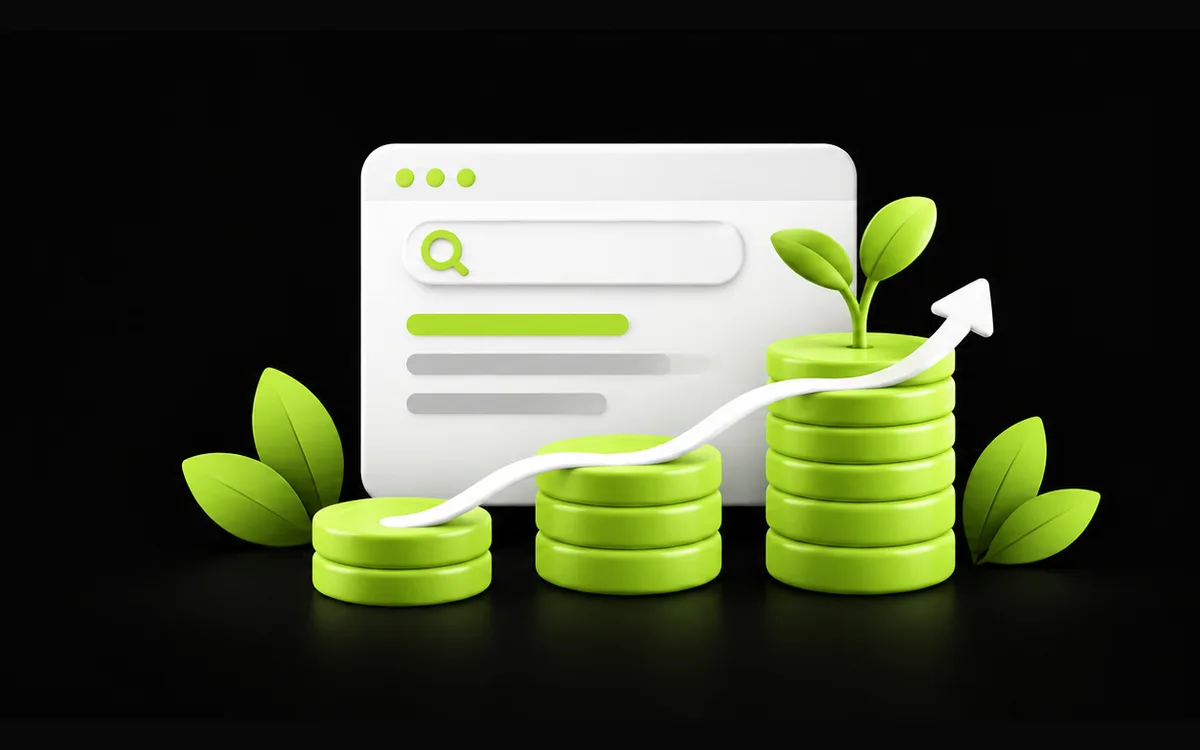
Marketing options continue to expand, but SEO remains one of the most reliable ways to attract high-intent customers.
People using search engines are actively looking for solutions. Appearing in front of them at the right moment creates opportunities that few other channels can match.
SEO also offers long-term value. While it requires upfront effort, results continue building over time. Content published today can generate enquiries months or even years later.
For service-based businesses, local SEO is particularly effective. It connects you with customers in your area who are ready to take action.
SEO works best when supported by strong web design and dependable hosting. Together, these ensure visitors have a positive experience and feel confident contacting you.
Rather than viewing SEO as an expense, many businesses now treat it as an investment in visibility, credibility, and future growth.
When approached strategically, SEO delivers returns far beyond its initial cost.
For Barnsley businesses evaluating ROI, start with SEO Barnsley and review current expectations in this Barnsley SEO timeline.
The economics: what a decent SEO investment returns
For a typical UK service business spending £800–£2,000 a month on SEO, the pattern I see repeatedly across two-year engagements is: essentially flat returns in months one to four, a first meaningful uptick around months five to eight, and a compounding effect from month twelve onward. By the end of year two, organic enquiries are usually accounting for 40–60% of new leads, at a per-enquiry cost well below any paid channel.
That's not a promise — market, starting position and competitive intensity all shift the numbers. But the shape of the curve is remarkably consistent, and it's the shape that makes SEO the best long-run investment for most small businesses.
Where SEO beats paid ads for small businesses
Paid ads and SEO aren't opposites — most healthy marketing mixes use both — but they earn their money differently.
- Paid ads buy attention today. Stop paying and the traffic stops that afternoon.
- SEO builds an asset. A well-earned ranking on a commercial keyword can send traffic for years.
- Paid ads are excellent for testing propositions quickly and for filling gaps while SEO builds.
- SEO wins on trust — most searchers still trust organic results more than the ads above them, especially in high-consideration categories (professional services, trades, healthcare).
- Paid ads demand ongoing budget to scale.
- SEO demands ongoing quality — a very different constraint, and one that compounds instead of resets.
For most small businesses, the right split leans on SEO for the long-term revenue base and uses paid ads tactically.
What "investment" actually buys you month-to-month
A monthly SEO retainer isn't buying "SEO" as an abstraction. In a good engagement, it's paying for a specific list of concrete work:
- Two to four content pieces (new or substantially refreshed) that map to real customer intent.
- One structured technical review with a prioritised fix list.
- Ongoing schema, internal linking and site-hygiene work.
- Review and Google Business Profile management, where relevant.
- Monthly reporting that ties activity to enquiries, not to rank tracking screenshots.
If you can't see that breakdown on the invoice, you're not buying SEO — you're buying reassurance.
Common ways SEO budgets get wasted
The businesses that don't get returns from SEO usually share one of a small number of failure modes:
- Paying for "audits" indefinitely without anyone ever fixing what the audits find.
- Publishing content nobody would search for, chasing keyword tools rather than customer questions.
- Buying links that either do nothing or, worse, get the site flagged in the next core update.
- Reporting on rankings without ever asking whether rankings are producing enquiries.
- Rebuilding the site every 18 months, deleting the SEO history each time.
Avoid those five patterns and the maths on SEO tends to work out very well indeed.
Tags: Algorithm Updates, Core Web Vitals, SEO Best Practices


